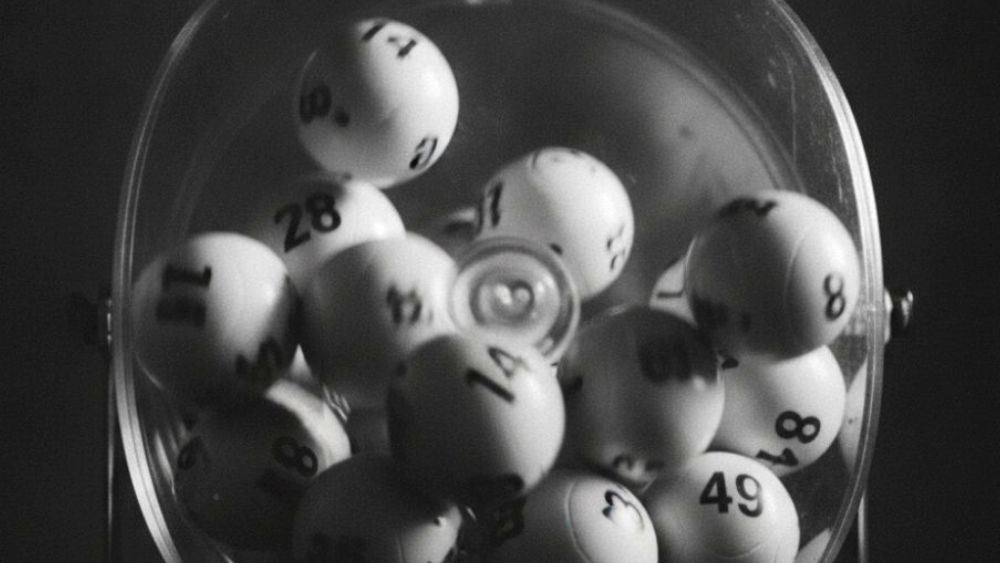
What Exactly Is Lotto System Play?
If you've ever stood in line at a PCSO outlet and heard someone say "system play ako," you might have wondered what they meant. System play is simply a way to buy multiple combinations from a single set of numbers. Instead of choosing just six numbers for Lotto 6/42, you pick seven, eight, or more. The terminal then generates every possible six-number combination from your chosen set and prints them on one ticket (or a few, depending on the size).
Think of it like ordering a sampler platter instead of a single dish. You're still paying for each combination, but the cashier handles the mixing for you. The more numbers you add, the more combinations you get — and the more you pay.
System play is available for most PCSO games, including Swertres (3D), EZ2 (2D), Lotto 6/42, Mega Lotto 6/45, Super Lotto 6/49, Grand Lotto 6/55, and Ultra Lotto 6/58. The mechanics differ slightly for digit games, but the core idea remains: expand your coverage without manually filling out hundreds of pay slips.
How System Play Works for Number Games (6/42, 6/45, etc.)
Let's use Lotto 6/42 as an example. A standard play requires you to pick six numbers from 1 to 42. If you want to play a system 7, you choose seven numbers. The terminal then creates all possible 6-number combinations from those seven — that's 7 combinations. A system 8 gives you 28 combinations. System 9 yields 84. System 10 produces 210, and so on.
The formula is straightforward: the number of combinations equals "n choose k," where n is how many numbers you selected and k is the game's draw size (6 for most lotto games). You don't need to compute it manually — the terminal does it for you — but understanding the math helps you see why costs rise quickly.
Cost per Combination and Total Bet
Each combination costs the same as a standard play. For Lotto 6/42, that's PHP 20 per combination. So a system 7 costs PHP 140 (7 × 20). A system 8 costs PHP 560. A system 9 costs PHP 1,680. A system 10 costs PHP 4,200. These amounts add up fast, so it's crucial to set a budget before you ask the teller for a system play.
Tip: Always confirm the total cost with the teller before confirming your bet. Some players get surprised when a system 10 costs more than their weekly grocery budget.
System Play for Digit Games: Swertres and EZ2
Digit games like Swertres (3D) and EZ2 (2D) also offer system play, but the mechanics are different. In Swertres, you normally pick three digits (0–9) in exact order. A system play — often called "rambol" or "straight" variations — lets you cover multiple permutations of your chosen digits.
For example, if you choose the digits 1, 2, and 3, a straight play wins only if the draw is exactly 1-2-3. A rambol play covers all six permutations (123, 132, 213, 231, 312, 321), increasing your chances but also your cost. The PCSO offers different rambol types: rambol 6 (all permutations), rambol 3 (for pairs), and rambol 2 (for doubles). Each has its own payout structure.
EZ2 works similarly. You pick two digits, and you can play them straight or rambol. The cost per combination is lower than lotto games — usually PHP 10 or PHP 20 depending on the play type — but the payouts are also smaller.
System play for digit games is popular because it's cheaper than lotto system plays and still gives you multiple chances to win. However, the odds of hitting the exact combination remain low, so treat it as entertainment, not a retirement plan.
The Real Math: Odds, Payouts, and What System Play Changes
System play increases your chances of winning because you're covering more combinations. But it does not change the underlying odds of the game — it only multiplies your entries. For Lotto 6/42, the odds of winning the jackpot with a single combination are 1 in 5,245,786. If you play a system 8 (28 combinations), your odds become 28 in 5,245,786, which simplifies to about 1 in 187,349. Better, but still a long shot.
What about payouts? If one of your combinations wins the jackpot, you get the full jackpot for that combination. If multiple combinations from your system play win smaller prizes (like matching 5 or 4 numbers), you collect those prizes too. This is the main appeal: you can win multiple times in the same draw.
However, keep in mind that if you win the jackpot and share it with other winners, your share depends on the total number of winning tickets — not on how many combinations you played. System play doesn't give you a bigger slice of a shared jackpot; it just gives you more tickets in the pool.
Expected Value and Reality Check
All lottery games have a negative expected value. For every PHP 20 you bet, the expected return is less than PHP 20. System play doesn't change that. It simply lets you lose more money per draw if you're not careful. The smart approach is to treat system play as a way to occasionally increase coverage, not as a consistent money-making strategy.
Pros and Cons of System Play: Is It Worth It?
Like any betting strategy, system play has advantages and disadvantages. Here's a quick breakdown to help you decide.
Pros
- More combinations, more chances: You cover more ground with less manual effort.
- Multiple wins possible: You can win several smaller prizes in one draw.
- Convenience: The terminal generates all combinations, so you don't have to fill out dozens of slips.
- Flexibility: You can choose how many extra numbers to add, from one to several.
Cons
- Higher cost: Costs multiply quickly, especially for lotto games.
- No guarantee: You still need luck to hit the winning numbers.
- Budget risk: It's easy to overspend if you don't set limits.
- Shared jackpots: If you win big, you may share with other winners.
For most casual players, a small system play (like system 7 or 8) once in a while can be a fun way to spice up your routine. But if you're on a tight budget, sticking to standard plays is perfectly fine.
How to Play a System Bet at a PCSO Outlet
Playing a system bet is straightforward. Here's a step-by-step guide for beginners.
- Choose your game: Decide whether you're playing Lotto 6/42, Swertres, EZ2, or another PCSO game.
- Pick your numbers: For lotto games, select more than the required amount. For example, pick 7 numbers for a system 7 in Lotto 6/42.
- Mark the system play box: On the play slip, check the "System" box and indicate how many numbers you're playing (e.g., System 7).
- Submit your slip: Hand it to the teller. They will input your numbers and tell you the total cost.
- Pay and get your ticket: Pay the amount, receive your ticket, and keep it safe. You'll need it to claim any prizes.
- Check the results: After the draw, check your numbers against the official PCSO results. If you win, claim your prize at the appropriate PCSO office.
For digit games, the process is similar, but you'll specify whether you want straight, rambol, or a combination. Ask the teller if you're unsure — they're used to explaining the options.
Common Mistakes Beginners Make with System Play
System play can be a lot of fun, but it's also easy to make mistakes. Here are some common pitfalls to avoid.
1. Not Checking the Total Cost
Always ask the teller for the total before confirming. A system 10 in Ultra Lotto 6/58 costs PHP 20 per combination × 210 combinations = PHP 4,200. That's a lot more than most people expect.
2. Playing Too Many Numbers
Adding more numbers increases your chances, but the cost grows exponentially. Stick to smaller systems (7 or 8) unless you have a very good reason to go bigger.
3. Forgetting to Verify the Ticket
Check that the printed ticket matches the numbers you intended. Mistakes happen, and once the draw is done, you can't change anything.
4. Chasing Losses
If you don't win, don't double your system size to "catch up." That's a fast track to spending more than you planned.
5. Ignoring the Odds
System play improves your chances, but the lottery is still a game of chance. Don't bet money you can't afford to lose.
Smart Budgeting for System Play
One of the biggest advantages of system play is flexibility — you can choose how much to spend. But that flexibility can also be a trap. Here's how to keep your budget in check.
Set a Monthly Lotto Budget
Decide how much you're comfortable spending on lotto each month. This should be money you can afford to lose without affecting your essential expenses. Once you hit that limit, stop for the month.
Use System Play as a Treat
Instead of playing system every draw, reserve it for special occasions or when the jackpot is unusually high. This keeps costs down while still giving you a shot at bigger prizes.
Track Your Spending
Keep a simple log of how much you spend on lotto each week. Seeing the numbers can help you stay disciplined.
Don't Borrow to Play
Never borrow money to fund a system play. The lottery is entertainment, not an investment. If you're borrowing, you're already spending beyond your means.
Remember: The house always has an edge. Play for fun, not for profit.
System Play vs. Random Quick Pick: Which Is Better?
Many players wonder if system play is better than a random Quick Pick. The answer depends on what you want.
Quick Pick is fast and effortless — the terminal randomly selects numbers for you. It's perfect for casual players who don't want to think about combinations. System play, on the other hand, gives you more control and more combinations. If you have a set of "lucky" numbers, system play lets you cover more permutations of them.
Statistically, every combination has the same chance of winning. So a Quick Pick ticket is just as likely to win as a hand-picked system play with the same number of combinations. The difference is psychological: system play feels more strategic, and it can be more exciting when multiple combinations hit smaller prizes.
Ultimately, the best choice is the one that fits your budget and playing style. If you enjoy the process of selecting numbers and want more coverage, system play is worth trying. If you prefer simplicity, Quick Pick is just as valid.
Final Thoughts: Playing Smart with System Play
System play is a tool, not a magic bullet. It can enhance your lottery experience by giving you more combinations and more chances to win, but it doesn't change the fundamental odds of the game. The key is to use it responsibly — set a budget, understand the costs, and never bet more than you can afford to lose.
For beginners, starting with a small system play (like system 7 or 8) is a good way to get a feel for how it works. As you become more comfortable, you can adjust your strategy. But always remember that lottery games are entertainment first and foremost. Play within your means, and may luck be on your side.
For more tips and daily PCSO results, keep visiting SwertresBantay. We're here to help you make smarter, more informed choices — without the hype.