Why This Debate Matters for Your PCSO Strategy
Every day, thousands of Filipino bettors line up at PCSO outlets or fire up the SwertresBantay app to place their bets. The moment of truth arrives: do you let the terminal randomly generate your numbers, or do you carefully handpick them based on birthdays, lucky charms, or patterns? This decision isn't just about superstition—it can influence how you play, how much you enjoy the game, and even how you manage your budget. In this step-by-step guide, we'll dissect both approaches, compare their real-world outcomes, and give you a clear framework to choose the method that fits your goals. Whether you're chasing the Ultra Lotto 6/58 jackpot or playing the daily Swertres 3D, understanding the mechanics behind Quick Pick and manual picks is your first step toward smarter betting.
Step 1: Understand How PCSO Draws Work
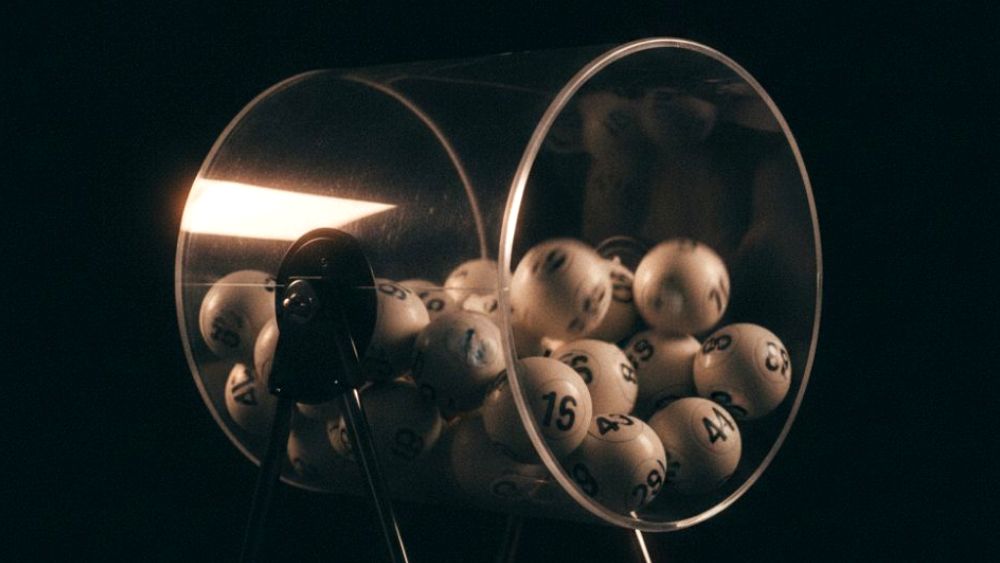
Before comparing selection methods, you need to know what happens after you buy your ticket. PCSO draws are conducted live under strict supervision, often at the PCSO headquarters in Mandaluyong. For games like Lotto 6/42, Mega Lotto 6/45, Super Lotto 6/49, Grand Lotto 6/55, and Ultra Lotto 6/58, six balls are drawn from a drum containing numbers 1 to the game's maximum. Swertres 3D and EZ2 involve three or two digits respectively, drawn from separate machines. The key point: each draw is independent, and every combination has an equal chance of appearing. Quick Pick simply uses the terminal's random number generator (RNG) to assign your numbers, while manual picks let you choose based on personal preference. Neither method can change the underlying probability, but they can affect your playing experience and potential payout splits.
Step 2: The Mechanics of Quick Pick
When you ask for a Quick Pick (also called Lucky Pick), the PCSO terminal's software randomly selects numbers for you. For a 6/49 game, it might generate 3-17-22-35-41-48. The process takes less than a second, and you can request multiple Quick Pick lines on a single ticket. Here's what you need to know:
- Randomness: The RNG is designed to be unbiased, though it's not audited publicly like some casino RNGs.
- Speed: Ideal for when you're in a hurry or buying many combinations.
- No emotional attachment: You won't second-guess your numbers after a loss.
- Popularity: About 70% of PCSO bettors use Quick Pick, according to industry estimates, which means more people share the same randomly generated combinations—potentially splitting jackpots.
Quick Pick is also the default for online betting platforms like LottoStar PH, where you can set up subscriptions. The minimum deposit on such platforms is typically ₱100, and withdrawals are processed within 24-48 hours.
Step 3: The Art of Manual Picking
Manual picking involves choosing your own numbers. This can be as simple as using birthdays, anniversaries, or house numbers, or as complex as analyzing frequency charts and hot/cold numbers. Here's how manual picks break down:
- Personal significance: Many bettors feel more connected to numbers that mean something, which enhances the thrill.
- Pattern strategies: You can avoid common combinations (like 1-2-3-4-5-6) to reduce the chance of sharing a jackpot.
- System plays: You can use wheeling systems to cover more combinations, though this increases cost.
- Time investment: Manual picking requires thought and sometimes research, which can be part of the fun.
However, manual picks are subject to cognitive biases. For example, the gambler's fallacy might lead you to pick numbers that are "due." In reality, each draw is independent, and past results don't influence future outcomes.
Step 4: Compare the Odds—They're Identical
Let's get one thing straight: the probability of winning any prize tier is exactly the same whether you use Quick Pick or manual picks. For Lotto 6/58, the odds of hitting the jackpot are 1 in 40,475,358. For Swertres 3D, it's 1 in 1,000. The method of selection doesn't alter these odds. What can differ is the expected value if you win, because of the possibility of multiple winners. If you choose a popular combination (e.g., 7-14-21-28-35-42), you might have to share the jackpot with others. Quick Pick can also generate popular patterns by chance, but the risk is similar. The real difference lies in your mindset and how you manage your play.
Step 5: Analyze Payout Splitting and Number Popularity
Jackpot sharing is a crucial factor. PCSO rules state that if multiple tickets match all six numbers, the jackpot is divided equally among them. Manual pickers who deliberately choose unpopular numbers (e.g., numbers above 31, or non-consecutive) can reduce the likelihood of sharing. Quick Pick, being random, might occasionally produce these less popular sets, but it's not guaranteed. For example, after a jackpot rollover, many Quick Pick users might get the same random combination, leading to a split. To minimize sharing, consider using a mix: let Quick Pick handle some lines, but manually select a few lines with numbers that are less commonly played, such as 13, 26, 39, 44, 51, 57. This hybrid approach can be part of a balanced strategy.
Step 6: Psychological and Behavioral Differences
Your choice of selection method can affect your betting behavior. Quick Pick players tend to buy tickets more frequently and spend less time per ticket, which can lead to higher overall spending if not controlled. Manual pickers often feel a sense of ownership and may stick to the same numbers for years, treating it as a long-term investment. Neither is inherently better, but understanding your tendencies can help you set limits. For instance, if you're prone to chasing losses, Quick Pick's speed might exacerbate that. On the other hand, manual picking can become obsessive if you spend hours analyzing charts. The key is to set a budget—say ₱500 per week—and stick to it regardless of method.
Step 7: Real-World Scenarios: When to Use Each Method
Here are practical situations where one method outshines the other:
- Use Quick Pick when: You're in a rush, buying multiple lines, or playing a game with huge odds where personal significance doesn't matter (e.g., Ultra Lotto 6/58).
- Use Manual Picks when: You have a set of lucky numbers, you want to avoid popular combinations, or you're playing a system entry with multiple combinations.
- Hybrid approach: For major jackpots, buy both Quick Pick and manual lines. This covers randomness and personal strategy.
Many seasoned bettors in the Philippines use a 70/30 split: 70% Quick Pick and 30% manual. This balances convenience with the chance to avoid sharing.
Step 8: Advanced Tips for Maximizing Your Chances
While you can't change the odds, you can optimize your play. Here are advanced tips:
- Join a lotto pool: Pooling money with friends or colleagues allows you to buy more combinations, increasing your coverage. PCSO allows syndicates, and if you win, you share the prize according to your agreement.
- Use official PCSO outlets or accredited online platforms: Ensure your ticket is valid. Online platforms like LottoStar PH have a minimum deposit of ₱200 and offer bonuses like a 100% match up to ₱1,000 with 5x wagering requirements.
- Track your numbers: Keep a log of both Quick Pick and manual numbers to see if any patterns emerge—though remember, it's for entertainment, not prediction.
- Set a budget and stick to it: Lottery is a form of entertainment, not an investment. Never bet more than you can afford to lose.
Step 9: The Verdict: It's Not About Better, It's About You
After comparing every angle, the truth is that neither Quick Pick nor manual picks is statistically superior. The lottery is a game of chance, and the method you choose should align with your personal preferences and playing style. If you enjoy the ritual of picking numbers and have a set of lucky digits, go manual. If you prefer speed and simplicity, Quick Pick is your friend. What matters most is that you play responsibly, within your means, and have fun. The next time you fill out a PCSO bet slip, you'll know exactly why you're choosing one method over the other—and that's a smarter way to play.