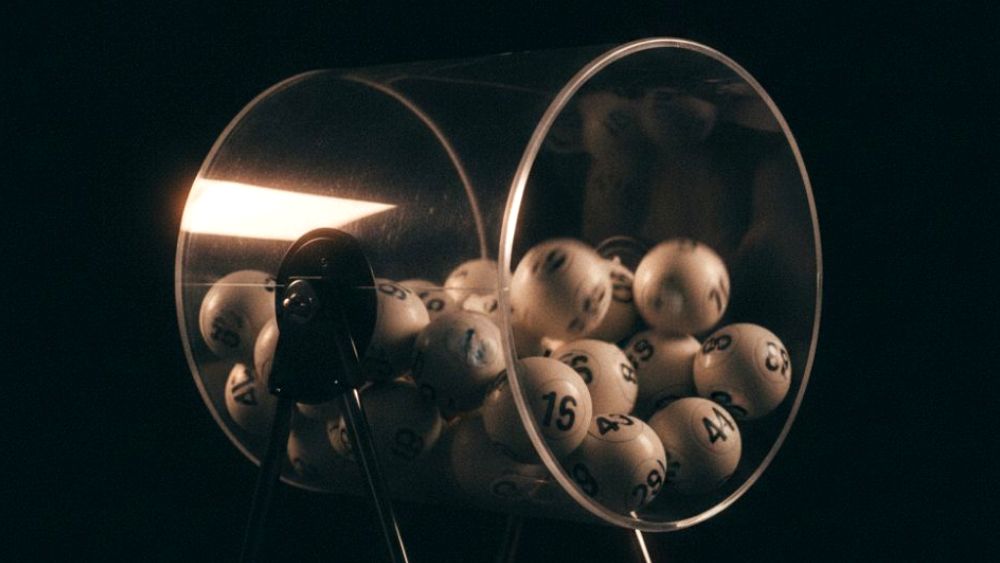
Two Draws, One Familiar Game
If you've ever stood at a lotto outlet in Metro Manila or a small stall in the province, you've probably heard the same question from a fellow bettor: "STL or PCSO?" It sounds like a trivial choice, but the answer actually changes your draw schedule, where you can place your bet, and even how you claim a win. For anyone tracking results daily on a site like SwertresBantay, understanding the gap between STL Swertres and PCSO Swertres is not academic. It's the difference between knowing why the 2:00 PM draw in your area doesn't appear on the national board, and why your winning ticket might be verifiable in one system but flagged as invalid in another.
Both games use the same core mechanic: pick a three-digit combination, and if the draw matches, you win. Both run multiple draws per day, both use mechanical draw machines, and both have been operating under the Philippine Charity Sweepstakes Office umbrella. That's where most casual players stop, and that's exactly where the confusion begins. This guide walks you through what actually separates the two, from the legal structure to the practical betting experience, so you can decide which one fits your routine and your risk appetite.
The Structural Difference: Franchise vs Direct PCSO
The cleanest way to understand the two is to look at who operates them. PCSO Swertres (officially the 3D Lotto game) is run directly by PCSO. The draws happen in the PCSO draw court, the results are broadcast through official channels, and the prize fund is managed by the agency itself. When you buy a ticket from a PCSO lotto outlet, you're transacting with the government corporation directly, and your bet is covered by the national prize pool.
STL stands for Small Town Lottery. It's a franchise-based system where authorized corporations (the STL operators) are granted the right to run lotto-style games within specific areas. These operators pay a franchise fee and a percentage of revenues to PCSO, and in exchange they can offer games like Swertres under their own local operation. The draw mechanics are similar, but the operator, the draw venue, and often the payout handling are local rather than national.
Think of PCSO Swertres as the main branch and STL Swertres as the accredited franchise. Same product family, different management.
This matters because a PCSO Swertres ticket is honored across PCSO's network, while an STL ticket is typically tied to the franchise area where it was issued. If you bought an STL bet in one province and try to claim in another, you may run into problems. PCSO tickets are generally more portable in that sense.
Draw Schedules: Where the Timing Diverges
PCSO 3D Lotto (Swertres) runs three draws daily, typically at 2:00 PM, 5:00 PM, and 9:00 PM. These are fixed national schedules, and the results are published consistently. If you're building a betting routine around fixed hours, PCSO's schedule is predictable and easy to track.
STL Swertres draws are also held multiple times a day, but the exact times can vary by operator and region. Some areas run draws earlier in the morning. Others add an extra evening draw. The number of draws per day and the cutoff times for placing bets can differ from one franchise to the next. This is why you'll sometimes see an STL result posted online that doesn't match the PCSO board, and why newcomers assume one of the results is "wrong."
Neither is wrong. They're just separate games running on separate clocks.
Quick Comparison Table
- PCSO Swertres: National operation, three fixed draws daily, results broadcast through PCSO channels.
- STL Swertres: Franchise operation, draw times vary by area, results usually posted locally.
- Ticket portability: PCSO tickets are honored across PCSO outlets; STL tickets are generally limited to the issuing franchise area.
- Prize funding: PCSO draws from the national prize pool; STL prizes are funded by the local operator.
Payouts and Prize Structure
Both games pay based on how you bet your three digits, but the specific payout rates can differ. In PCSO 3D Lotto, the standard payouts are published and fixed: a straight bet (exact order) pays a set amount per peso, while a rambol (any order) bet pays less because it covers multiple permutations.
STL operators generally follow a similar structure, but the exact payout per peso can vary slightly depending on the franchise and the operator's internal rules. Some operators offer slightly higher or lower rates, and some add promotional draws or bonus mechanics. The variation is usually small, but for regular bettors who play daily, even a few centavos per peso adds up over a month.
Here's the practical takeaway: before you commit to a system, check the payout sheet at your outlet. Ask the teller directly. "Magkano ang payout per peso sa straight? Sa rambol?" A thirty-second question saves you from assumptions later. If you're tracking your ROI on a site like SwertresBantay, knowing your exact payout rate is essential for accurate record-keeping.
Where You Can Place Your Bets
PCSO Swertres bets are placed at authorized PCSO lotto outlets, which are widespread but not infinite. In some barangays, the nearest outlet might be a tricycle ride away. STL, by contrast, is designed to be more accessible at the local level. STL outlets and agents operate in areas where a full PCSO outlet might not be practical, which is part of the reason the STL system exists in the first place.
For players in urban centers, both options are usually available within walking distance. For players in more remote areas, STL is often the only physical option. This accessibility gap is a big reason STL Swertres has a loyal following despite the slightly less standardized structure.
One thing to be careful about: not every stall that accepts numbers is legitimate. Both PCSO and STL operate through authorized channels, and unauthorized "bookies" or informal numbers games (often called "jueteng" style operations) still exist outside the legal framework. If the outlet doesn't issue a printed ticket with a control number, you're not playing a regulated game. No printed ticket means no verifiable claim, and no recourse if the operator disappears.
How Results Are Verified and Published
PCSO Swertres results are published through official PCSO channels and are broadly mirrored by news sites and result-tracking pages. Because the draw is national and centrally managed, verification is straightforward. If you have the official result, you have the final word.
STL results are also published, but the responsibility falls more on the local operator. Some franchises are diligent about posting results promptly and consistently. Others are slower, or their results appear only in specific local channels. For bettors who like to cross-check results across multiple sources, this inconsistency can be frustrating.
This is where a daily tracker becomes useful. When you follow a site that aggregates both PCSO and STL Swertres results, you can compare patterns, verify your tickets, and build a record of which draws you played and what came out. The discipline of logging results is one of the most underrated habits in this game. It won't change the odds, but it will stop you from misremembering a win or a loss.
Odds, Probability, and the Myth of the "Hot" Draw
Here's the part every bettor should internalize: the odds are the same in both games. A three-digit draw has 1,000 possible combinations (000 to 999). If you bet a straight combination, your chance of hitting it is 1 in 1,000. That doesn't change whether the draw is run by PCSO or by an STL franchise. The machine doesn't know which logo is on the ticket.
Rambol bets change the math because you're covering permutations. A rambol with three distinct digits covers 6 combinations, so your odds improve to 6 in 1,000, but the payout per peso drops accordingly. A rambol with a repeated digit covers fewer permutations and pays differently. These are the same in both systems, because the underlying combinatorics don't care who operates the draw.
What about "hot" and "cold" numbers? In a fair mechanical draw, past results don't influence future ones. A number that hasn't appeared in twenty draws is not "due." A number that appeared three times this week is not "on a streak." This is the gambler's fallacy dressed up as strategy, and it's the fastest way to lose money with confidence.
Patterns exist in the data you collect. They do not exist in the machine. The difference between those two statements is the difference between a hobby and a losing habit.
That said, tracking results is still useful. Not because it predicts anything, but because it keeps you honest. When you see your win rate over 100 draws, you stop believing in luck and start understanding variance.
Choosing Between STL and PCSO Swertres
So which one should you play? The honest answer depends on three things: access, schedule, and how much you value standardization.
Play PCSO Swertres if:
- You want fixed, predictable draw times you can plan around.
- You prefer national-level transparency and widely published results.
- You might need to claim a prize outside your home area.
- You want the standard, published payout structure.
Play STL Swertres if:
- You live in an area without a convenient PCSO outlet.
- You prefer more frequent draws or different draw times.
- You're comfortable with a local operator and can verify results through their channels.
- You've checked the payout rates and they work for your betting style.
There's no inherent superiority in either. They're two delivery systems for the same basic game. What matters is that you know which one you're playing, that you're playing through authorized channels, and that you keep records. Everything else is noise.
Smart Habits for Daily Players
Whether you lean toward STL or PCSO, a few habits separate disciplined players from the rest.
- Set a fixed budget. Decide what you're willing to spend per day or per week, and treat it as spent the moment you buy the ticket. Never chase a loss with a bigger bet.
- Log every ticket. Date, draw time, combination, bet type, amount. If you're not tracking, you're guessing.
- Verify results from at least one official source. For PCSO, that's the official channel. For STL, that's the operator's published result. Screenshots or unofficial posts are not proof.
- Understand your bet type. Straight vs rambol changes both your odds and your payout. Know which one you're buying before you hand over your money.
- Claim wins promptly. Prize claim windows exist. Don't let a valid ticket expire because it sat in a drawer.
These habits won't make you win more often. Nothing will. But they will keep you from losing more than you intended, and that's the more realistic goal for any regular bettor.
The Swertres game has been part of Philippine daily life for years, and it will continue to be. Playing it well isn't about finding a secret formula. It's about knowing the system you're playing in, staying within your limits, and treating every draw as what it is: a small, fixed-odds gamble with a known cost and an honest chance.