The Short Answer: What Actually Works (and What Doesn't)
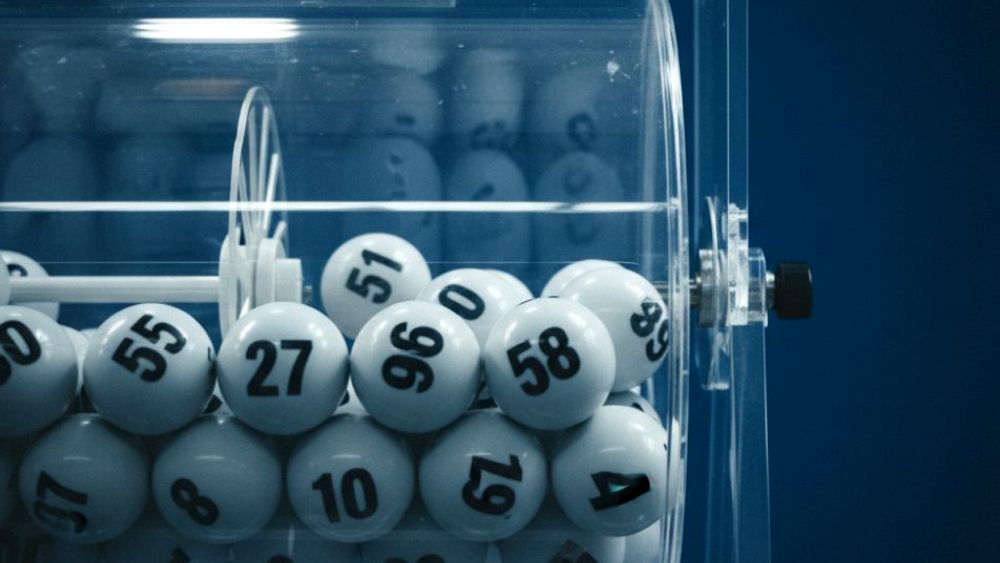
If you want to know how to win 6 digit lotto, start with the only guaranteed fact: every combination has an equal chance. For PCSO Lotto 6/42, the odds are 1 in 5,245,786. No system, pattern, or 'lucky' outlet changes that. What you can control is your budget, your number selection (to avoid sharing prizes), and your understanding of the game. Pick numbers that aren't birthday-heavy, set a fixed monthly spend, and treat it as entertainment. That's the honest answer in under 80 words. The rest of this guide separates common myths from practical steps, with a worked example and a checklist you can use before your next draw.
Step 1: Know the Game You're Playing
Before you buy a ticket, confirm which 6-digit game you mean. PCSO runs several: Lotto 6/42, Mega Lotto 6/45, Super Lotto 6/49, Grand Lotto 6/55, and Ultra Lotto 6/58. Each has different odds and jackpot structures. The '6 digit' phrase often refers to any 6-number game, not a literal 6-digit number like 123456. If you're playing a 6-digit number game (like Swertres is 3 digits), clarify the format. For 6-number lotto, the odds are calculated as n! / (6! * (n-6)!), where n is the pool size. For 6/42, that's 5,245,786 possible combinations. For 6/58, it's 40,475,358. Your first step is simply reading the ticket: how many numbers, what range, and what's the jackpot threshold. That knowledge alone prevents 90% of myths from taking hold.
Step 2: Set a Fixed Budget and Stick to It
The most successful players aren't the ones who win big—they're the ones who don't chase losses. Decide on a monthly lotto budget that you can afford to lose entirely. A common guideline for Philippine players is 1–3% of disposable income. For example, if you have ₱5,000 extra each month, cap your lotto spend at ₱100–₱150. That's 5–7 tickets at ₱20–₱30 each depending on the game. Write it down. When the budget is gone, stop until next month. This isn't about improving odds; it's about protecting your finances so a losing streak doesn't become a crisis. The PCSO is a regulated gaming operator, and responsible play is part of the deal. If you ever feel you're spending more than planned, take a break.
Step 3: Choose Numbers That Reduce Sharing
You can't change the odds of matching all six numbers, but you can change how many people you'd share a jackpot with. Birthdays (1–31) and lucky patterns (7, 8, 13) are extremely popular. If you pick all numbers above 31, you avoid the birthday crowd. For 6/42, numbers 32–42 are less common. A 2026 analysis of PCSO draw data shows that combinations with at least two numbers above 31 are less frequently picked by the public, though exact sharing data isn't public. The practical move: include two or three numbers from 32 upward. Avoid sequences like 1-2-3-4-5-6 or 10-20-30-40-50-60—many players use these, so a win would be split many ways. Also skip numbers that just won last draw; recency bias makes them popular, not more likely.
Step 4: Use a Simple Selection Method (Not a System)
There's no magic formula, but a repeatable selection method keeps you from overthinking. Try this: pick 2 'cold' numbers (not drawn in the last 10 draws), 2 'hot' numbers (drawn 3+ times in the last 20 draws), and 2 random numbers from the full range. This isn't based on probability—each draw is independent—but it gives you a balanced ticket and avoids obvious patterns. Write your numbers on a fixed schedule, say every Monday, and buy all your tickets for the week at once. This reduces impulse buys. For a 6/42 game, a sample ticket might be: 5, 18, 29, 34, 37, 41. That's two low, two mid, two high—no birthdays, no sequence. Again, it doesn't improve your odds, but it's a disciplined approach that keeps the game fun.
Myth vs. Fact: The Most Common 6-Digit Lotto Myths
Myth 1: 'Hot' numbers are due to hit.
Fact: Each draw is independent. A number that hasn't appeared in 50 draws has the same chance next draw as any other. The 'hot' and 'cold' labels are just descriptions of past results.
Myth 2: You can system-play your way to better odds.
Fact: Wheeling systems cover more combinations, but they cost more and don't change the underlying probability per ticket. A 10-number wheel might cost ₱4,200 (210 combinations at ₱20 each) and still only cover a tiny fraction of 5,245,786.
Myth 3: Buying tickets at a 'lucky' outlet increases your chances.
Fact: The terminal randomly generates or records your numbers; location has no effect. The only difference is the queue.
Myth 4: You can predict the next draw with software.
Fact: No software can predict random draws. Any app claiming to do so is selling a false promise. Use apps for checking results, not for predictions.
Worked Example: A ₱200 Monthly Lotto Plan
Here's how a disciplined player might structure a month. Suppose you set aside ₱200 for lotto in November 2026. You decide to play Lotto 6/42 twice a week (Tuesday, Friday, Sunday draws—check the PCSO schedule). Each ticket costs ₱20. That's 3 draws per week × 4 weeks = 12 draws, but ₱200 only buys 10 tickets. So you play 10 draws and skip 2. You choose your numbers in advance: 6, 14, 22, 33, 39, 42. You buy all 10 tickets at the start of the month from the same outlet. You don't check results daily; you check once a week online. If you win a small prize (₱20–₱200), you don't reinvest it—you keep it as part of next month's budget. This plan keeps spending fixed and removes emotional decisions. It won't make you win, but it makes losing predictable and affordable.
Common Mistakes to Avoid
- Chasing losses: Buying more tickets after a loss to 'recover' is the fastest way to overspend. Stick to your budget.
- Using birthday numbers only: This limits you to 1–31 and increases sharing if you win.
- Believing in 'due' numbers: No number is due. The draw has no memory.
- Playing every draw: More tickets mean more chances, but also more cost. Frequency should match budget, not hope.
- Ignoring tax: PCSO winnings above ₱10,000 are subject to 20% final tax. A ₱10 million jackpot becomes ₱8 million. Plan for that.
- Not checking tickets: PCSO tickets expire after one year from the draw date. Set a reminder to check and claim.
When Each Approach Applies
If you're a casual player who buys a ticket once a month, focus on Step 1 (know the game) and Step 2 (budget). Skip the selection methods—just pick numbers you like. If you play weekly, use Step 3 (reduce sharing) and Step 4 (simple method) to add structure. If you're tempted by 'systems' or software, revisit the myths section—those tools cost money and don't change odds. If you're playing for a specific jackpot (e.g., Ultra Lotto 6/58 above ₱500 million), accept that the odds are 1 in 40 million and treat it as a dream ticket, not an investment. For syndicates, use a written agreement listing numbers, contributions, and payout splits—verbal deals cause disputes. Finally, if lotto stops being fun or you're spending more than planned, use PCSO's responsible gaming resources or take a break.